



In recent years, the incidence of infectious diseases has been rising worldwide. Let's understand why this is important for each of us to know.
In 2024 alone, Russia recorded:
- over 22,000 cases of measles (almost 90% of those infected were unvaccinated or had an unknown vaccination status);
- over 32,000 cases of pertussis (whooping cough);
- over 830,000 cases of chickenpox.
In 2025, the situation with meningococcal infection worsened. Unfortunately, this is only the tip of the iceberg. These and long-"forgotten" diseases are once again posing a threat to the lives of children and adults.
It is important to remember that this is not just about statistics. It is about your health and the health of your loved ones.
You may have already asked yourself these questions:
How can I protect myself and my family from these infections?
Do I want to be sure that I am vaccinated and that my immune protection is still effective?
Do I want to know which vaccinations are right for me?
Remember: immune protection against infections can weaken over time, and it is important to "refresh" it.
A few steps for an accurate assessment and to create an individual vaccination schedule:
- Book a consultation with an infectious disease specialist.
- Prepare for your appointment: bring your medical documents with information about previous vaccinations and your health status, as well as your vaccination certificate (if you have one). This will help the doctor learn more about you. Also prepare a list of questions you would like to discuss with the doctor.
What does the doctor consider when creating an individual vaccination plan?
The doctor approaches your vaccination schedule very carefully, taking into account many factors to ensure the plan is as convenient and relevant as possible for you. The following is always taken into consideration:
- your age and health status;
- past illnesses and previous vaccinations;
- your region of residence and the epidemiological situation. The prevalence of certain infections affects the priority of specific vaccines;
- the specifics of your lifestyle and profession.
Based on this data, the doctor will suggest an optimal vaccination schedule, listing the necessary vaccines and the dates for follow-up visits, if needed.
We recommend that you ask your doctor about the necessary vaccines both from the National Vaccination Calendar and about additional ones that may be important specifically for you. For example:
- hepatitis A;
- tick-borne encephalitis;
- meningococcal infection;
- chickenpox;
- human papillomavirus (HPV);
- and others.
If you have not been vaccinated for a long time or have missed the recommended deadlines:
There is what is called "catch-up vaccination." This is an effective way to make up for missed vaccinations and build reliable immune protection for your body.
An individual vaccination schedule is your action plan for protection against the most common and dangerous infections in our ever-changing world. The right approach will help you develop a timely immune response and thereby reduce the risk of infection.
Do not put off taking care of your health "for later" in search of the "perfect moment." Infections do not wait.
Book a consultation, create an individual vaccination schedule, and be confident in your safety.
Vaccination is not only your personal protection but also a way to care for the health of your loved ones, the elderly, and those who cannot be vaccinated for medical reasons.
At the Republican Clinical Medical Center of the Presidential Administration of the Republic of Belarus, you can check your vaccination status by taking a blood test for post-vaccination immunity. However, remember that immunity develops both after vaccination (post-vaccination) and after illness (post-infection).
Post-vaccination immunity tests:
- Antibodies to rubella virus, Rubella Virus, IgG (quantitative);
- Antibodies to HBs-Ag of hepatitis B virus (anti-HBs);
- Antibodies to hepatitis A virus (anti-HAV IgG);
- Antibodies to chickenpox, Varicella Zoster Virus, IgG;
- Antibodies to measles virus, Measles Virus, IgG;
- Antibodies to pertussis pathogen, Bordetella pertussis, IgG.
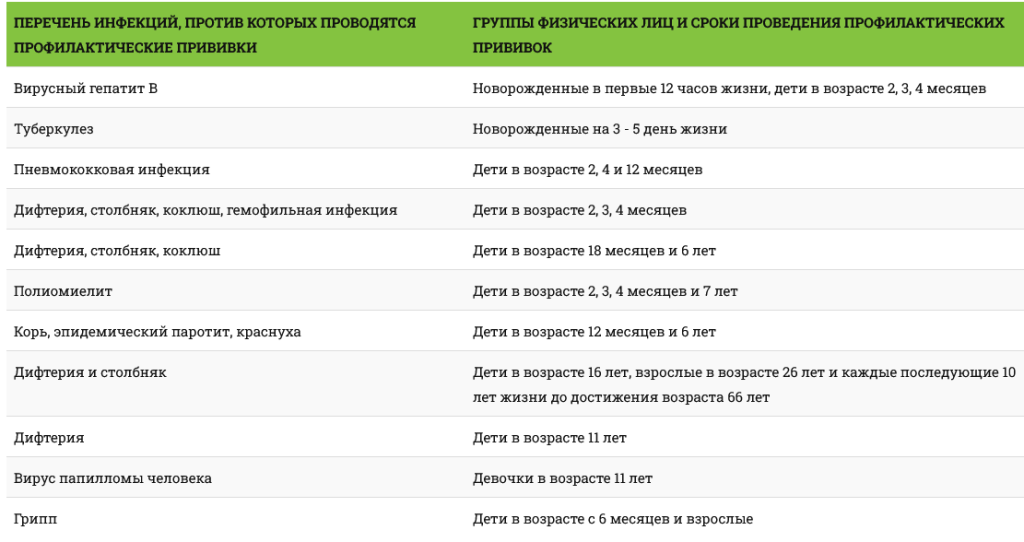
National Calendar of Preventive Vaccinations
(Resolution of the Ministry of Health of the Republic of Belarus dated May 17, 2018 No. 42 "On Preventive Vaccinations," as amended on January 13, 2025)
We can offer vaccination on a fee-for-service basis after a consultation with an infectious disease specialist (subject to the availability of the immunobiological product at the Belfarmacy warehouse):
- Pertussis (Adacel);
- Meningococcal infection (Nimenrix, Trumenba);
- Tick-borne encephalitis (FSME-IMMUN, Kleshch-E-Vak);
- Viral hepatitis B (Euvax);
- Pneumococcal infection (Prevenar 20);
- Chickenpox (Varicella);
- Human papillomavirus (Gardasil);
- Measles, mumps, rubella (Priorix);
- Hepatitis A (Havrix).