



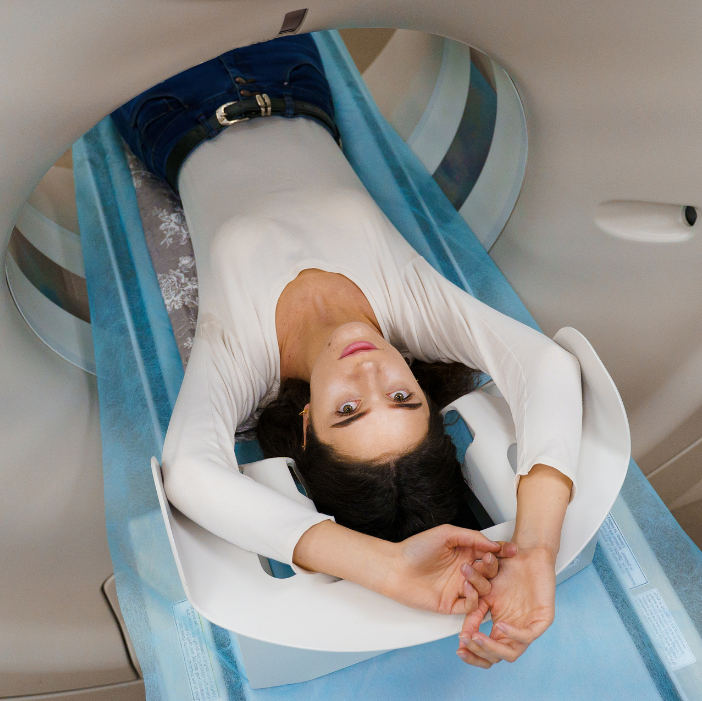
Comprehensive therapeutic programs for examination and treatment
The therapeutic department of the RCMC carries out a comprehensive examination of patients with a therapeutic profile. Key benefits of comprehensive programs
- These programs allow you to undergo a full range of necessary laboratory and instrumental tests during a short hospital stay (4-5 days).
- All examinations are performed using expert-grade equipment, and diagnostics and treatment are carried out in strict accordance with international protocols.
- This comprehensive approach eliminates the need to schedule appointments with each specialist and for individual tests, optimizing both time and cost.
- The use of methods such as CT, MRI, liver elastometry, and advanced biochemical screening ensures early detection of diseases and an accurate diagnosis.
- If necessary, the patient receives consultations with specialized specialists (cardiologist, neurologist, endocrinologist, etc.), which allows for a systematic assessment of their health.
- Based on the examination results, a personalized treatment program and, if necessary, medical rehabilitation are developed for each patient.
Basic Package
- Initial examination (admissions department)
- Hospital stay: 4-5 days
- ECG
- ECHO-CG
- Ultrasound of the brachiocephalic arteries
- Ultrasound of the arteries and veins of the lower extremities (as indicated).
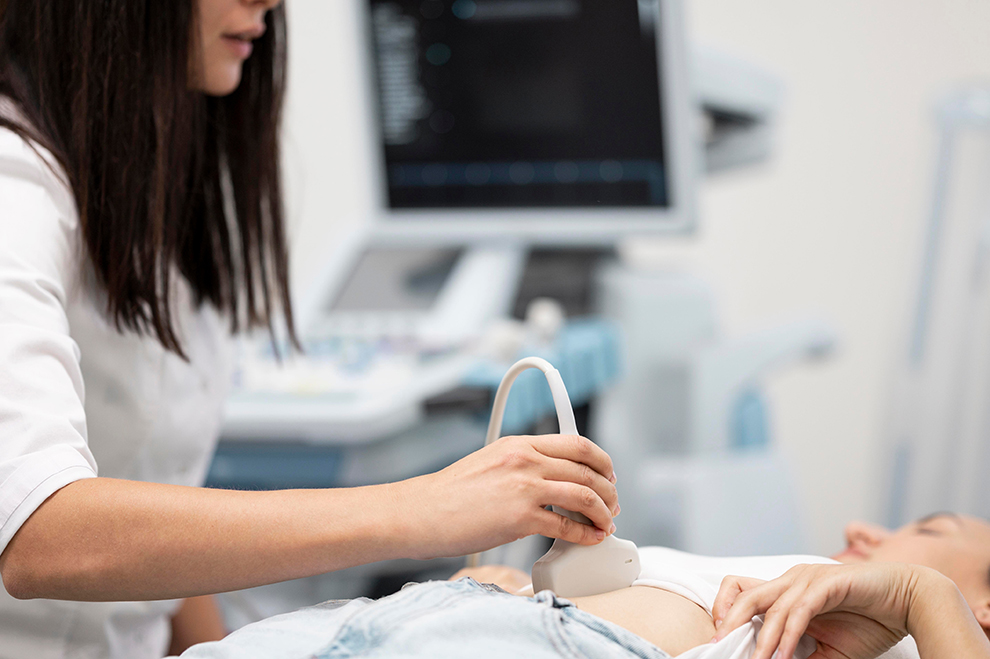
- Ultrasound of the abdominal and pelvic organs.
- Thyroid ultrasound.
- HM ECG.
- 24-hour blood pressure monitoring.
- CT of the chest organs.
- CT of the abdominal organs (as indicated).
- Chest X-ray (in 2 projections).
- FGDS and FCS with anesthesia.
- Thyroid and parathyroid scintigraphy.
- Complete blood test
- Urine analysis
- Urine analysis according to Nechiporenko and Zimnitsky
- Rehberg test
- Tumor marker test
- 24-hour urine analysis.
- Blood chemistry analysis (total protein, albumin, proteinogram, bilirubin, urea, creatinine, AST, ALT, LDH, potassium, sodium, chloride, magnesium, glucose, CRP, alpha-amylase, alkaline phosphatase, uric acid, creatinine clearance).
- Glycemic profile
- Glycated hemoglobin test
- Insulin resistance test
- Lipidogram (total cholesterol, LDL-C, HDL-C, lipoprotein, triglycerides, apoA, apoB)
- Thyroid hormone blood test (TSH, free FT4, A-TPO)
- Blood test for vitamins (vitamin B12, folic acid, vitamin D)
- Screening for infections (HIV, hepatitis, syphilis)
- Coagulogram, D-dimer determination
- 6-minute walk test
ADDITIONAL STUDIES (as indicated)
- Polysomnography
- Genetics of thrombophilia
- Genetics of folate metabolism
- Additional laboratory tests (NT-pro BNP, iron metabolism, calcium metabolism, parathyroid hormone, carbohydrate metabolism: insulin, C-peptide, renin, aldosterone, metanephrine/normetanephrine, homocysteine, etc.)
- Rehabilitation specialist consultation
- Specialist consultations (as indicated): neurologist, endocrinologist, ophthalmologist, urologist, ENT specialist, cardiologist, surgeon, allergist
To register for the program, call: +375 (17) 543-43-29
Program cost: from 1400 Belarusian rubles
Gastroenterology Package
- Initial examination (admissions department)
- Hospital stay: 4-5 days
- ECG
- Ultrasound of abdominal organs
- Liver elastometry
- Liver scintigraphy
- MRI cholangiography
- Chest X-ray
- Esophagus and stomach X-ray
- CT scan of abdominal organs (as indicated)
- Complete blood count
- Urinalysis
- Blood chemistry (total protein, albumin, bilirubin, urea, creatinine, AST, ALT, LDH, GGT, alpha-amylase, CRP, alkaline phosphatase, potassium, sodium, chloride, magnesium, glucose, uric acid)
- Helicobacter pylori detection (qualitative test)
- Carbon breath test for Helicobacter pylori diagnosis
- Autoimmune gastritis diagnosis
- Stool occult blood test
- Rectal smear test for PCF
- Diagnosis of Crohn's disease, celiac disease (autoimmune gastrointestinal diseases)
- Diagnosis of clostridial colitis
- Determination of fecal calprotectin
- Blood test for vitamins (vitamin B12, folic acid, vitamin D)
- Screening for infections (HIV, hepatitis, syphilis)
- Tumor marker determination
- FGDS and FCS under anesthesia.
- EUS of submucosal lesions in the upper gastrointestinal tract.
- Gastroenterologist consultation.
- Rehabilitation specialist consultation.
Program cost: from 1400 Belarusian rubles.
Registration for the program by phone: +375 (17) 543-43-29
Rheumatology package
- Initial examination (admissions department)
- Hospital stay: 4-5 days
- EKG
- Complete blood test
- Urine test
- Blood chemistry (total protein, albumin, bilirubin, urea, creatinine, AST, ALT, LDH, GGT, alpha-amylase, CRP, alkaline phosphatase, potassium, sodium, chloride, magnesium, glucose, uric acid)
- Determination of biochemical markers of osteoporosis.
- Synovial fluid analysis.
- Diagnosis of APS and lupus anticoagulant
- Diagnostics of autoimmune diseases
- Coagulogram, determination of D - dimers
- X-ray of joints
- Ultrasound of joints and soft tissues
- MRI and CT joints
- RCT of the spine
- Ultrasound of peripheral arteries
- Osteodensitometry
- Spine morphometry
- Consultation with a rheumatologist.
- Consultations with related specialists: traumatologist-orthopedist, endocrinologist, neurologist, and others.
- Innovative pain relief methods: drug blockades, intra-articular injections, PRP therapy.
- Individualized treatment plan selection.
- Consultation with a rehabilitation specialist and treatment in the physiotherapy and rehabilitation department.
Program cost: from 1400 Belarusian rubles.
Registration for the program by phone: +375 (17) 543-43-29
Who are the programs suitable for?
Comprehensive screening and treatment programs are ideal for:
- For those who value time and comfort: Patients who want a complete body diagnosis in a short time without sacrificing quality.
- For patients with unclear symptoms: Those with complaints (e.g., weakness, pain, discomfort) whose cause is difficult to determine during a standard doctor's visit.
- For an annual preventive checkup: As an in-depth examination to monitor health status and early identify potential risks.
- For patients with chronic diseases: To monitor the progress of the disease, adjust therapy, and prevent complications (e.g., rheumatological and gastrointestinal pathologies).
- For people with a burdened heredity: Those who have a family history of rheumatological, oncological, endocrine or other diseases, for timely diagnosis.
CATEGORIES OF SERVICES