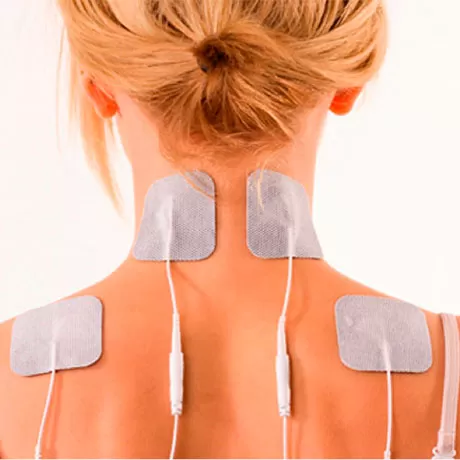



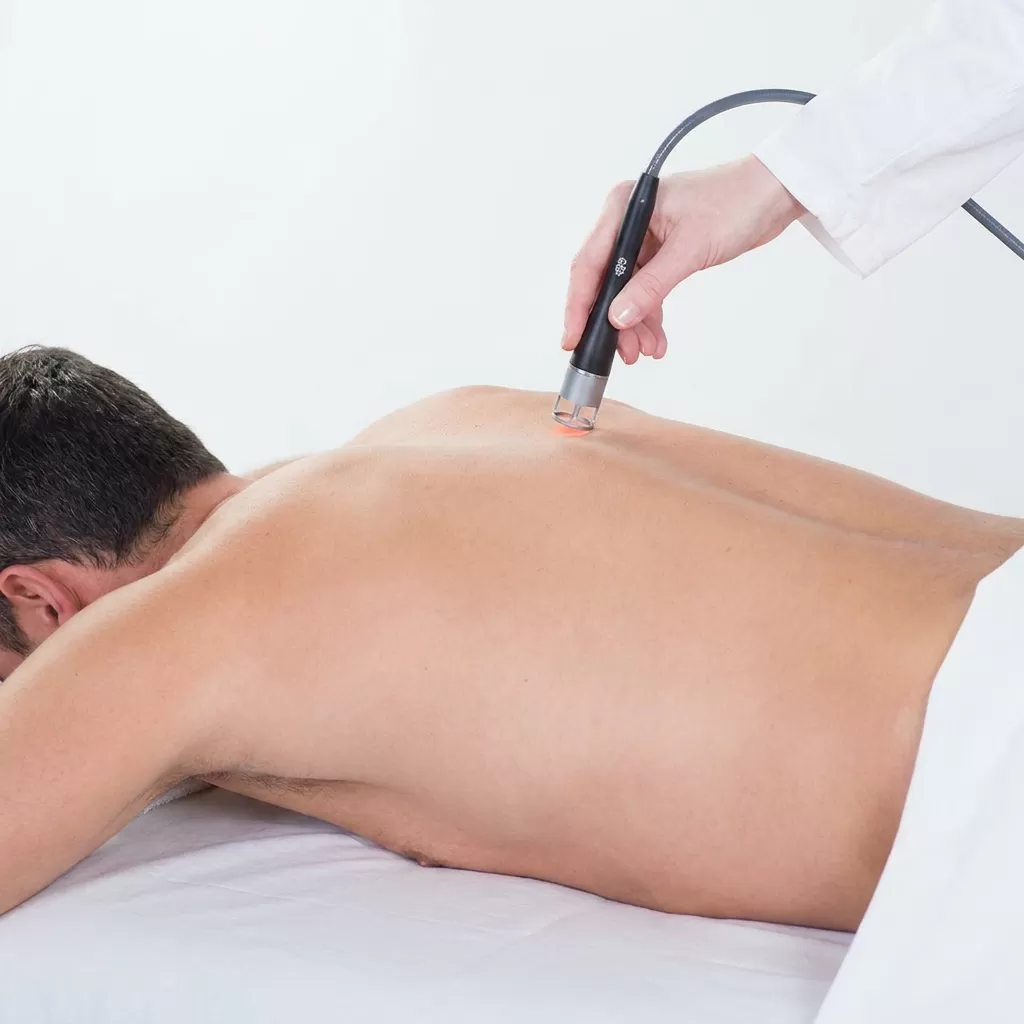
Unlike low-level laser therapy (LLLT), high-intensity laser is capable of penetrating deep into tissues (up to 10–12 cm), providing rapid analgesic, anti-inflammatory and regenerative effects directly at the site of pathology.
The pulsed laser action effectively blocks pain receptors of nerve endings through the "gate control" mechanism and stimulates the production of endorphins, which significantly reduces pain syndrome already after the first procedure. At the same time, the thermal component of the radiation causes local vasodilation, improving microcirculation and lymphatic drainage for rapid resolution of edema, while deep heating normalizes metabolic processes, helping to eliminate trigger points and relieve muscle spasm. The procedure itself takes 5 to 15 minutes, causes no discomfort and is accompanied by a sensation of deep warmth.
INDICATIONS
High-intensity laser therapy is used primarily in orthopedics, traumatology, neurology, sports medicine and rehabilitation.
Diseases of joints and spine:
- Osteochondrosis, protrusions and herniated intervertebral discs (including with radicular syndrome).
- Arthrosis (osteoarthritis) of large and small joints (knee, hip, shoulder, etc.).
- Arthritis and bursitis in subacute and chronic stages.
- Scapulohumeral periarthritis.
Pathologies of soft tissues, tendons and ligaments:
- Tendinitis, tendinopathies and epicondylitis ("tennis elbow", "golfer's elbow").
- Plantar fasciitis (heel spur).
- Carpal tunnel syndrome.
- Achilles tendon inflammation (achillobursitis).
Injuries and post-traumatic conditions:
- Sprains, strains and tears of ligaments and muscles.
- Contusions, hematomas and severe post-traumatic edema.
- Rehabilitation after joint and spine surgeries (including arthroscopy and metal osteosynthesis).
Neurological disorders:
- Neuralgia, neuritis and radiculopathy.
- Muscle-tonic and myofascial pain syndrome.
MAIN CONTRAINDICATIONS
The procedure is not prescribed in the presence of:
- malignant neoplasms in the treatment area,
- systemic blood diseases,
- active tuberculosis,
- febrile conditions,
- epilepsy,
- performing the procedure in the projection area of the thyroid gland, heart, or fetus (during pregnancy).
HOW TO UNDERGO HILT THERAPY AT RCMC
To do this, you need to:
- To determine the appropriateness of HILT therapy, you need to schedule a consultation with a specialist physician at the medical rehabilitation department.
- Information about the schedule of specialist physicians at the medical rehabilitation department can be obtained by calling the Contact Center.