



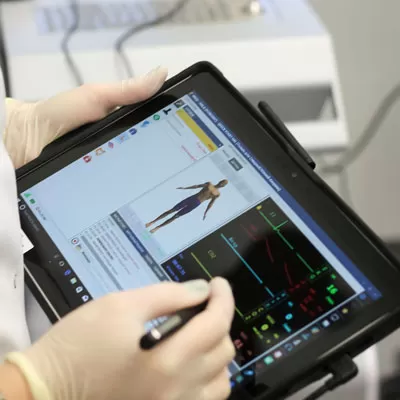
Somnology (competence development program)
- Duration:40 hours (five days)
- 2 to 4 students
- Cost in rubles:
for Belarus citizens — 474.02 BYN
for foreign citizens — 907.24 BYN
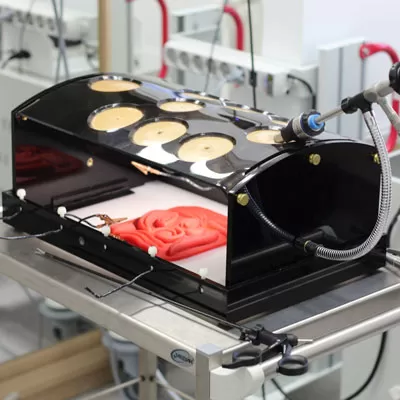
Endovideosurgery: from theory to practice
- Duration:40 hours (five days)
- 2 to 3 students
- Cost in rubles:
for Belarus citizens — 444.89 BYN
for foreign citizens — 819.45 BYN
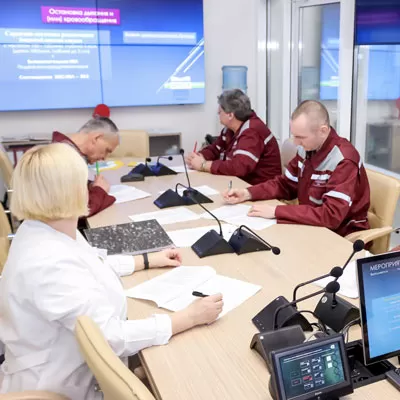
Cardiopulmonary resuscitation, Anaphylaxis
- Duration:8 hours
- 4 to 6 students
- Cost in rubles:
for Belarus citizens — 107.81 BYN
for foreign citizens — 245.37 BYN
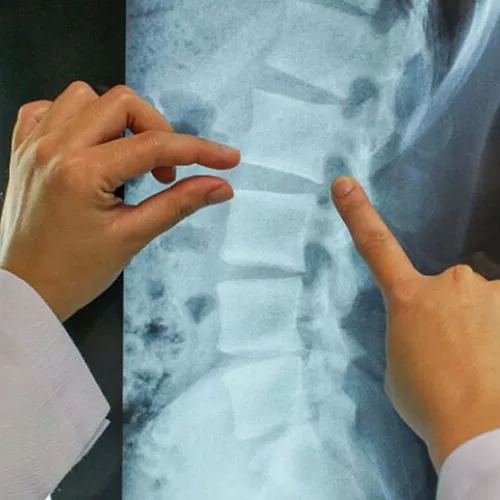
Comprehensive treatment of pain syndrome of degenerative diseases of the spine (competence development program)
- Duration:40 hours (five days)
- up to 4 students
- Cost in rubles:
for Belarus citizens — 359.33 BYN
for foreign citizens — 722.14 BYN
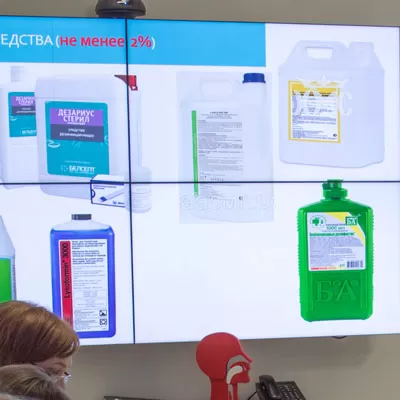
Disinfection and sterilization of equipment
- Duration:8 hours
- 6 to 10 students
- Cost in rubles:
for Belarus citizens — 81.89 BYN
for foreign citizens — 127.48 BYN
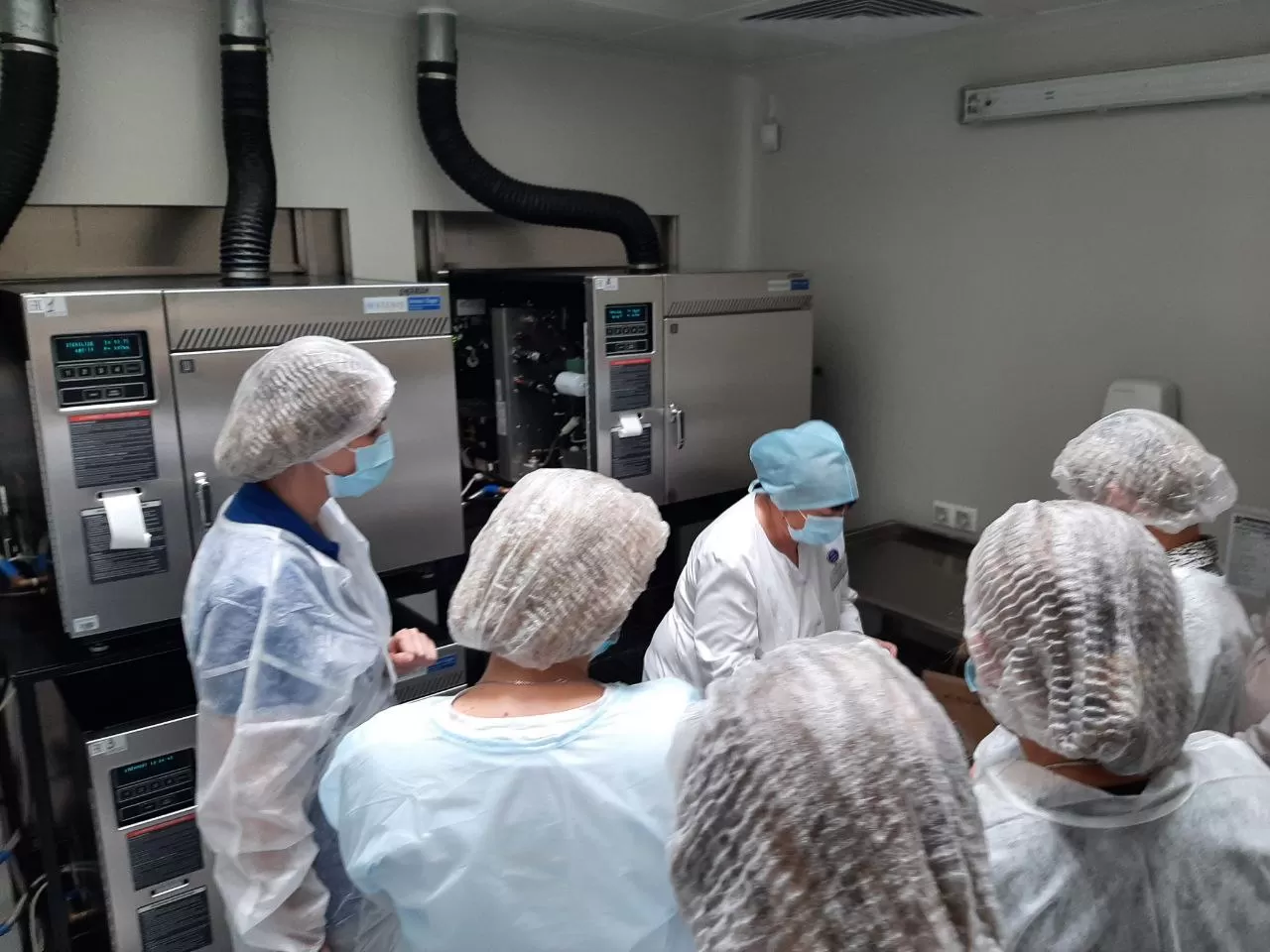
Иммуногематология и клиническая трансфузиология в практике медицинской сестры
- Duration:16 часов
- 6-8 чел.
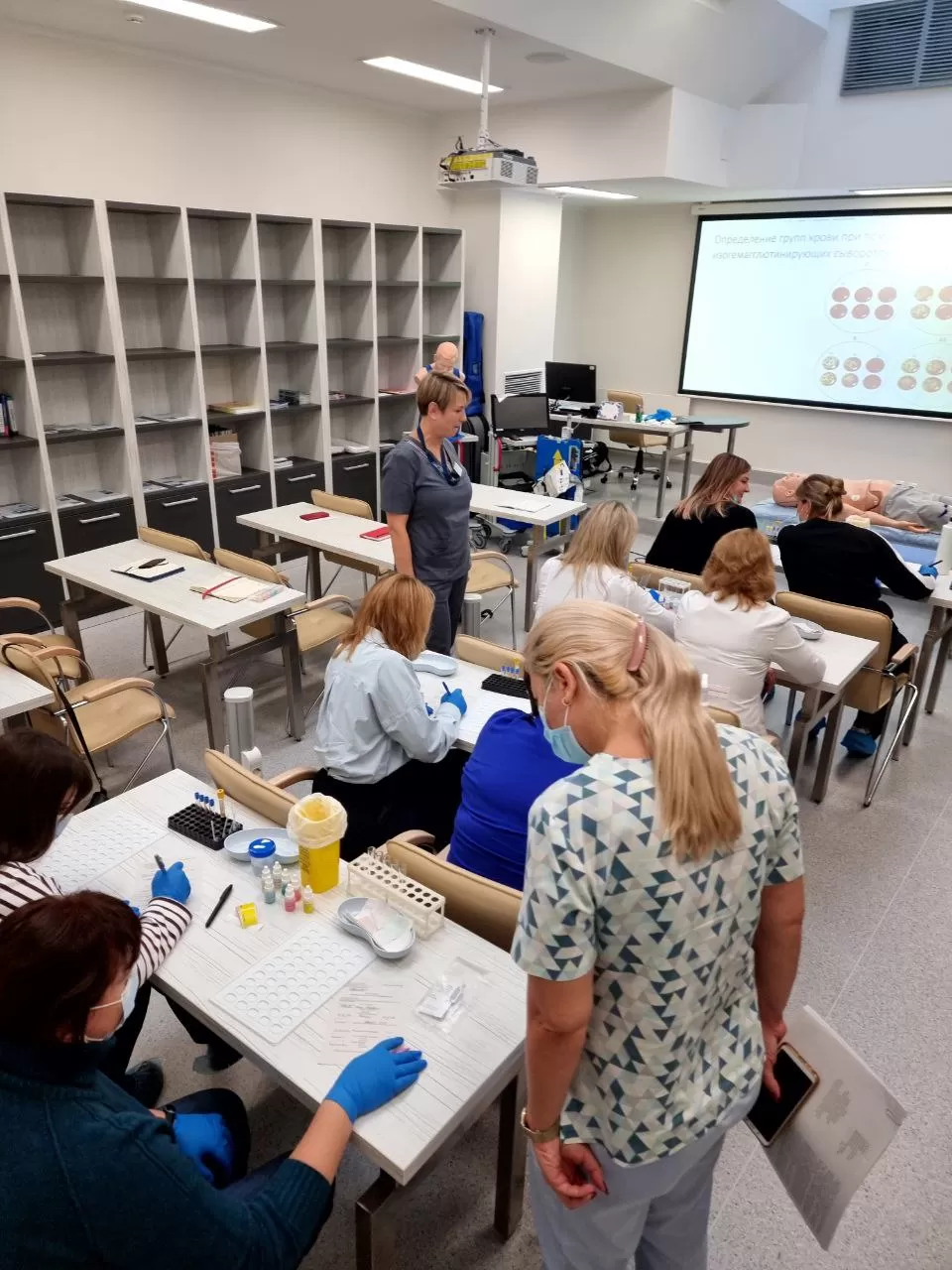
Клиническая трансфузиология в практике врача-специалиста. Менеджмент крови пациента
- Duration:38 часа
- 6-8 чел.

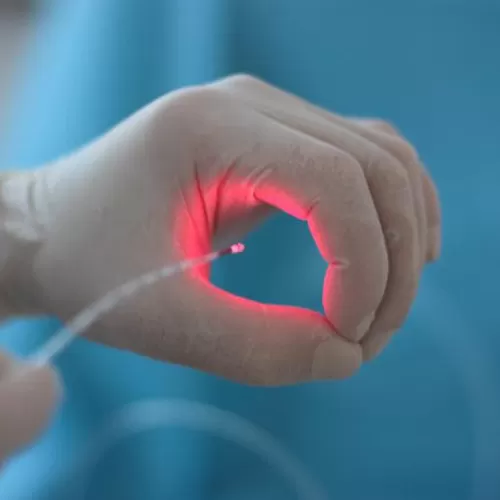
Laser Technologies in Proctology (Training Course)
- Duration:16 hours (two days)
- 2 to 4 students
- Cost in rubles:
for Belarus citizens — 362,01 BYN
for foreign citizens — 555,94 BYN
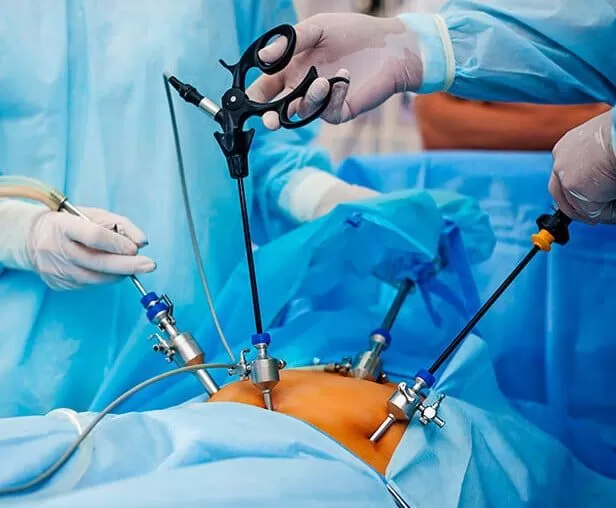
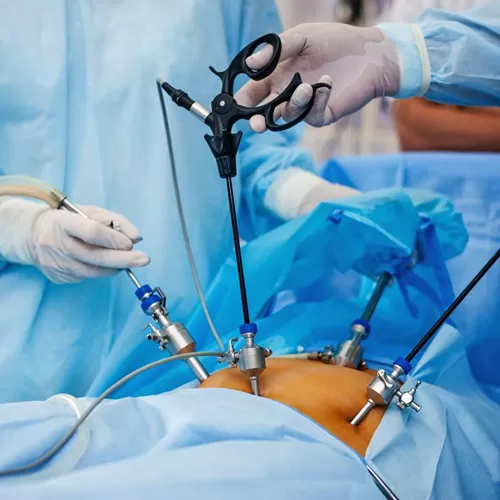
LAPAROSCOPICAL SURGERY OF SEGMENTED INTESTINE AND RECTUM (COMPETENCE DEVELOPMENT PROGRAM)
- Duration:40 hours (five days)
- 2 to 3 students
- Cost in rubles:
for Belarus citizens — 433,99 BYN
for foreign citizens — 689,35 BYN
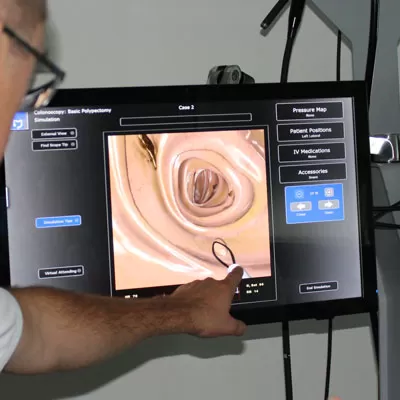
Diagnostic and Therapeutic Endoscopy (competence development program)
- Duration:40 hours (five days)
- 2 to 4 persons
- Cost in rubles:
for Belarus citizens — 678.66 BYN
for foreign citizens — 1303.76 BYN
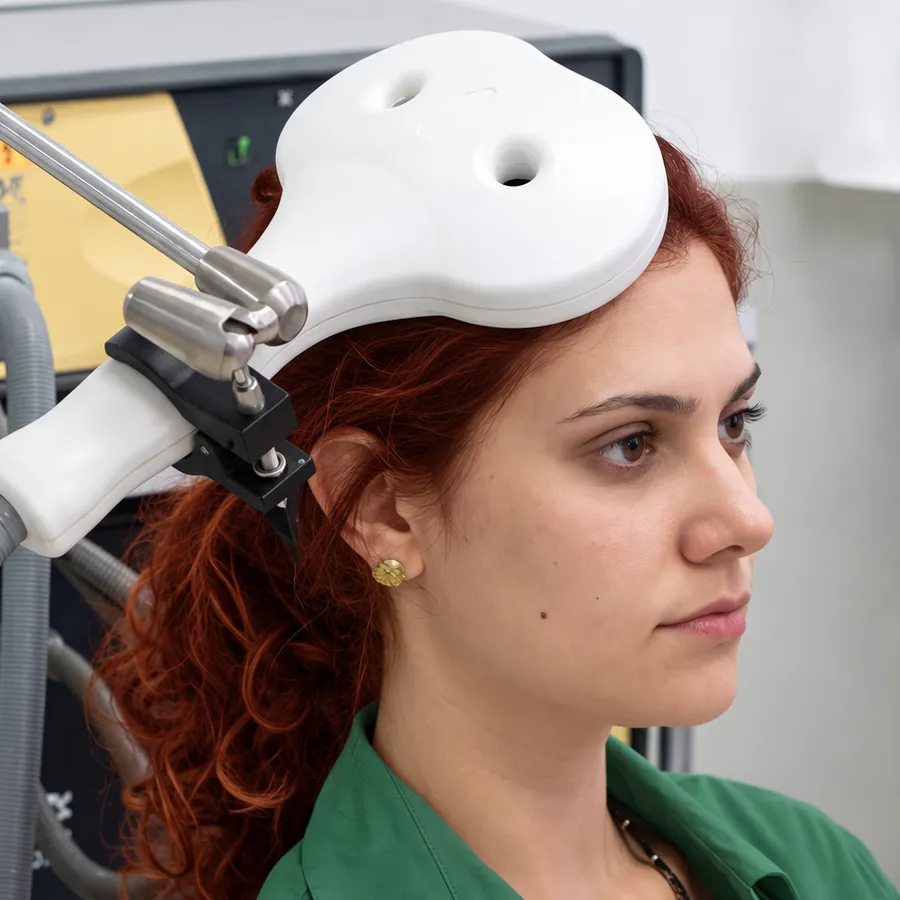
Лечебная ритмическая транскраниальная магнитная стимуляция в неврологии и нейрореабилитации
- Duration:2 дня, 16 часов
- 2-4 человека
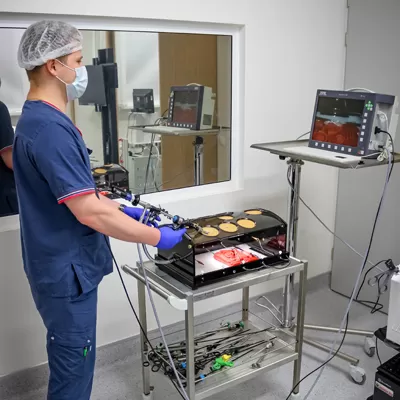
Total endoscopic preperitoneal hernioplasty of inguinal hernia
- Duration:16 hours (two days)
- up to 4 students
- Cost in rubles:
for Belarus citizens — 466.65 BYN
for foreign citizens — 716.92 BYN
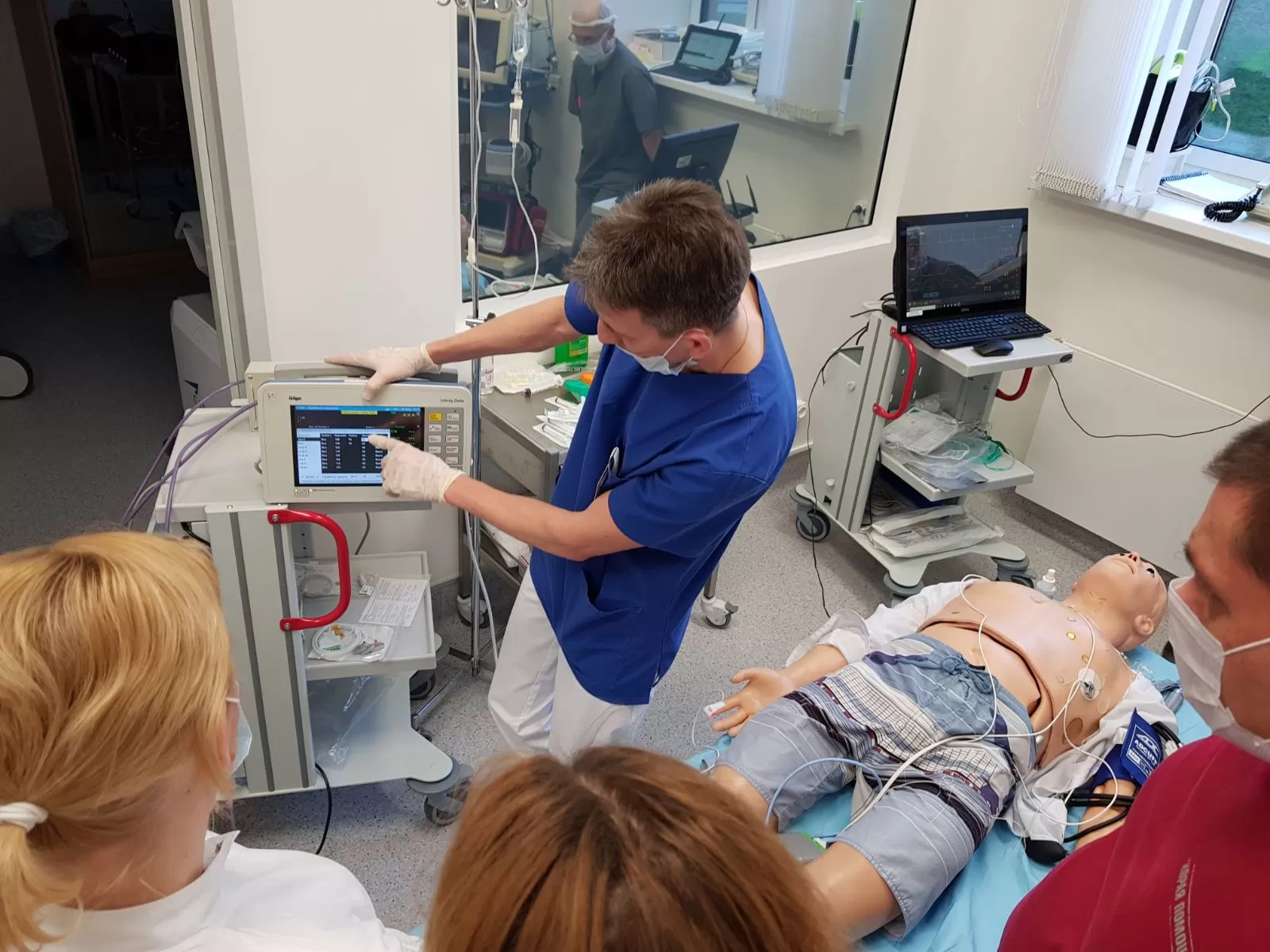
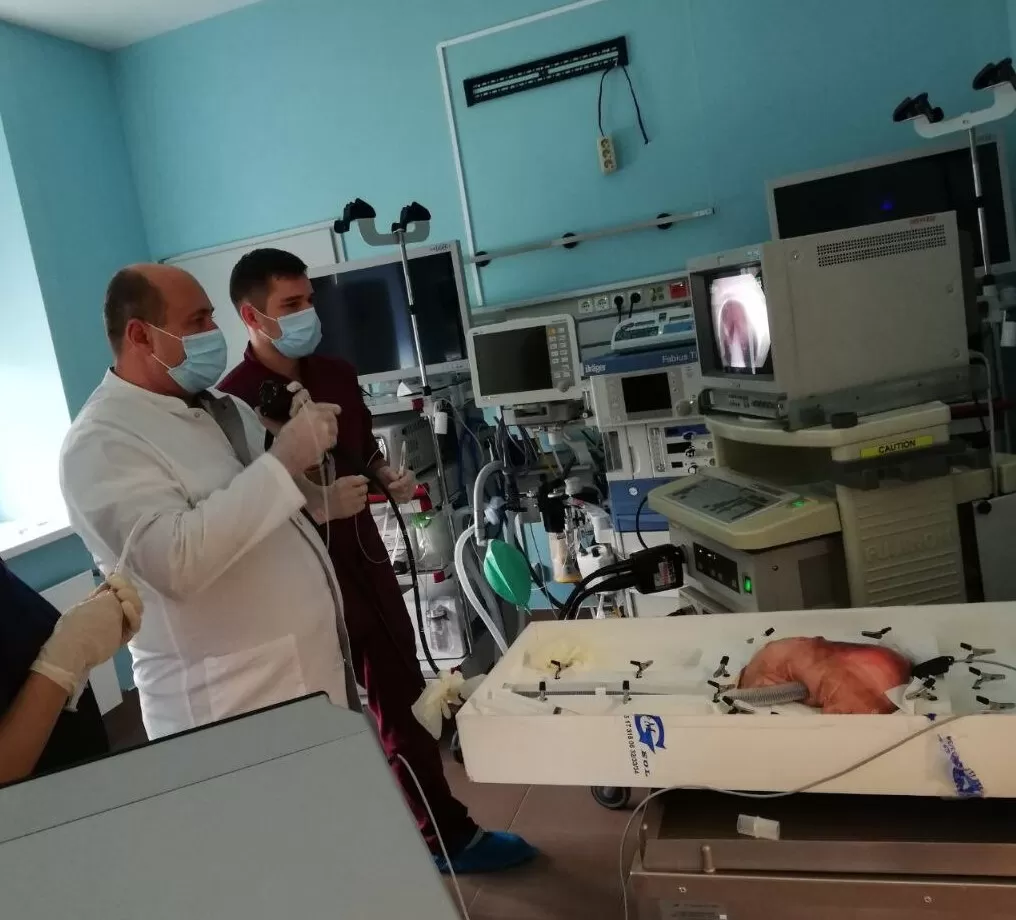
Оперативная эндоскопия новообразований желудочно-кишечного тракта
- Duration: 5 дней, 40 часов
- 4-6 чел.
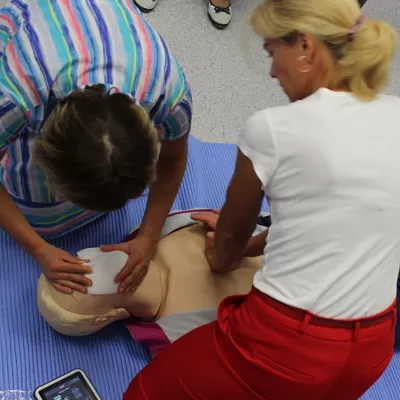
First Aid
- Duration:16 hours (two days)
- 6 to 8 students
- Cost in rubles:
for Belarus citizens — 148.84 BYN
for foreign citizens — 225.79 BYN
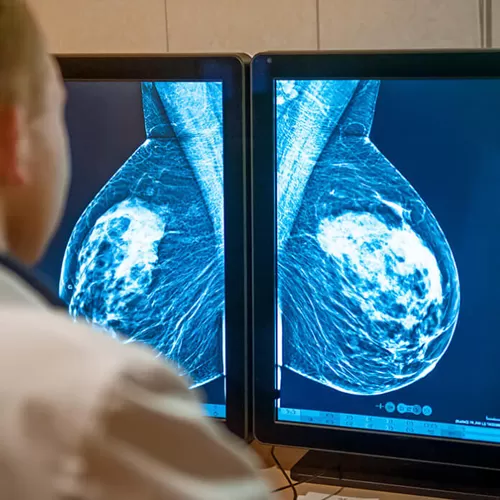
Practical Mammology
- Duration:32 hours (four days)
- 4 to 6 students
- Cost in rubles:
for Belarus citizens — 402,72 BYN
for foreign citizens — 617,59 BYN
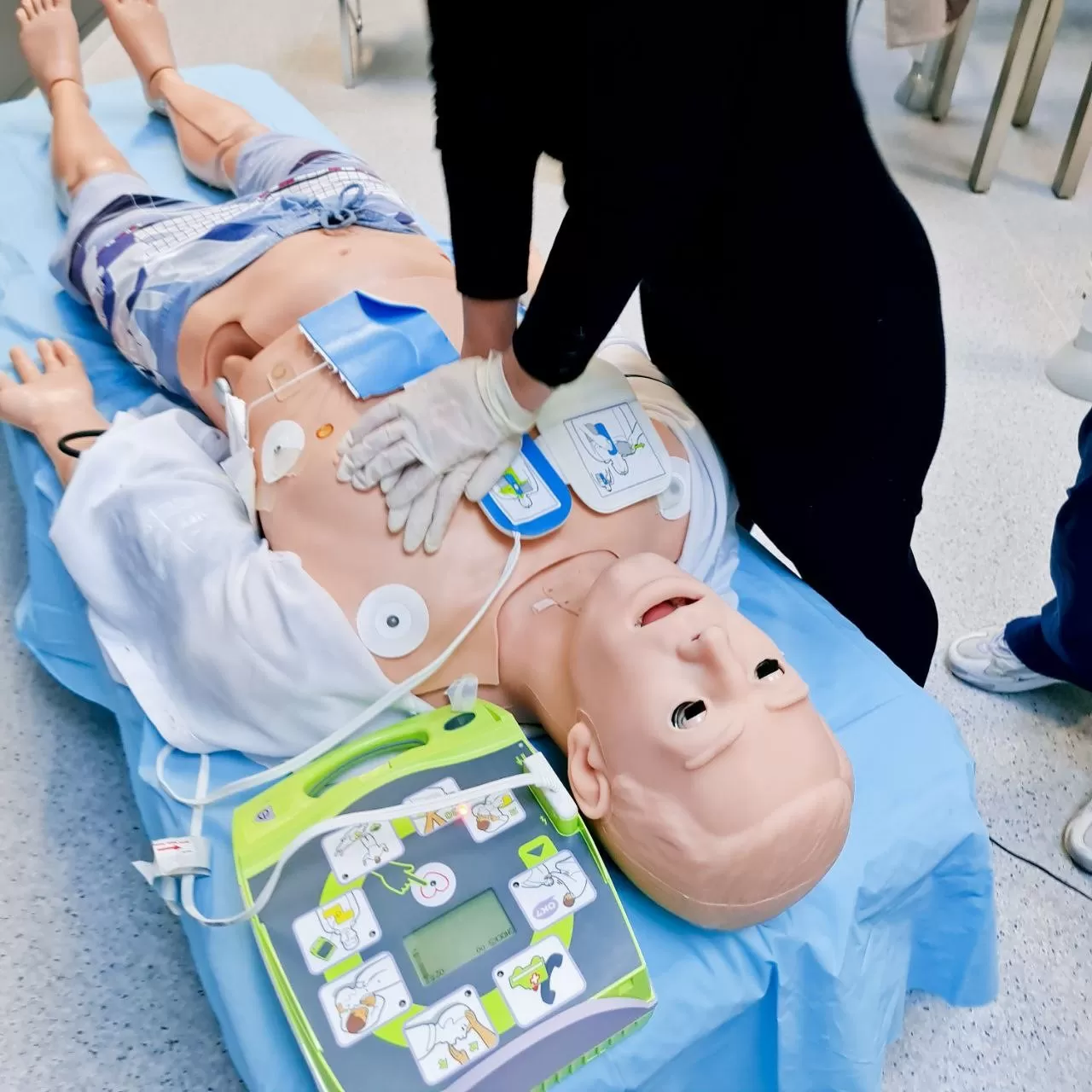
Basics of Medical Assistance in Medical Emergencies (COMPETENCE DEVELOPMENT PROGRAM)
- Duration:40 hours (five days)
- 6 to 8 students
- Cost in rubles:
for Belarus citizens — 428,81 BYN
for foreign citizens — 654,67 BYN
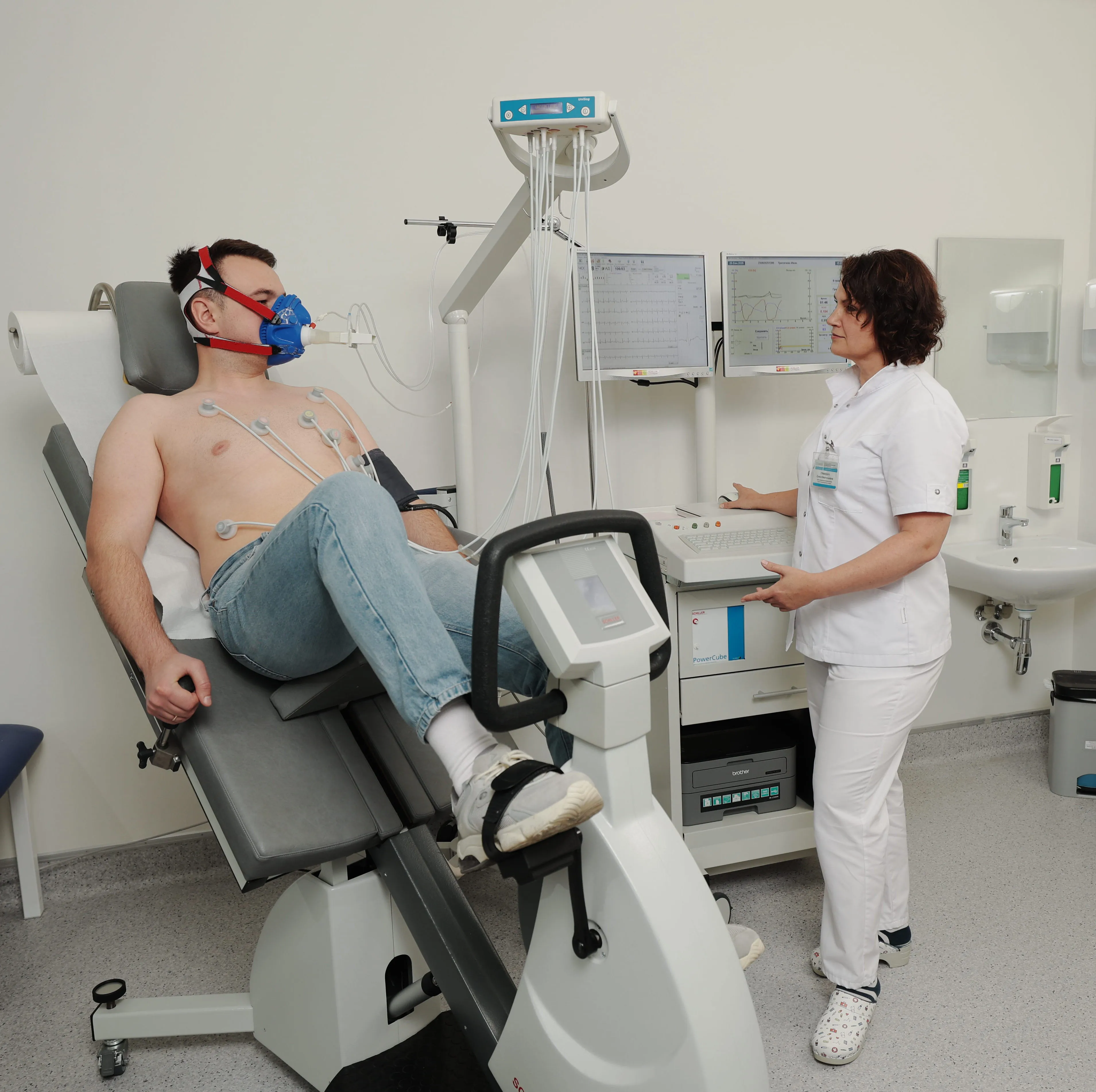
Современные методы диагностики в кардиологии: от скрининга к персонифицированному подходу
- Duration:3 дня, 24 часа
- 8-12 человек
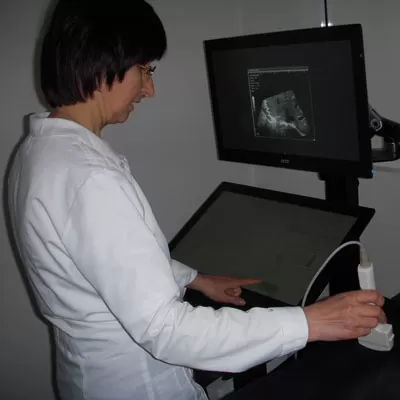
Стресс-эхокардиография в клинической практике: алгоритмы и интерпретация
- Duration:2 дня, 16 часов
- 6-8 человек

Pharmaceutical counseling in a modern pharmacy (competence development program, in absentia)
- Duration:40 hours (five days)
- 8 to 10 students
- Cost in rubles:
for Belarus citizens — 165.22 BYN
for foreign citizens — 309.79 BYN
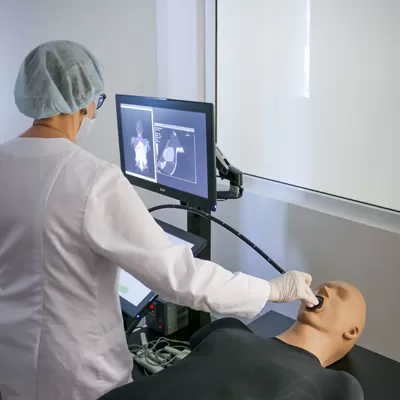
Transesophageal echocardiography
- Duration:16 hours (two days)
- up to 4 students
- Cost in rubles:
for Belarus citizens — 374.40 BYN
for foreign citizens — 574.99 BYN
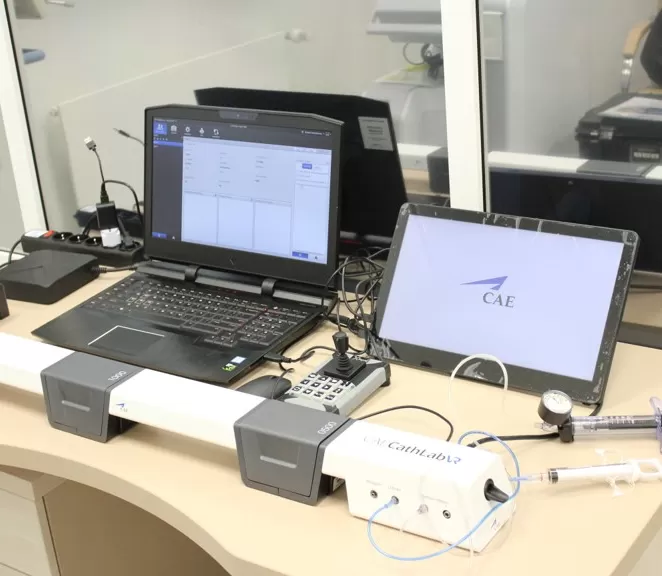
Эндоваскулярная хирургия в аритмологии, Эндоваскулярная хирургия сердечно-сосудистой системы
- Duration:5 дней, 40 часов
- 2-4 чел.